
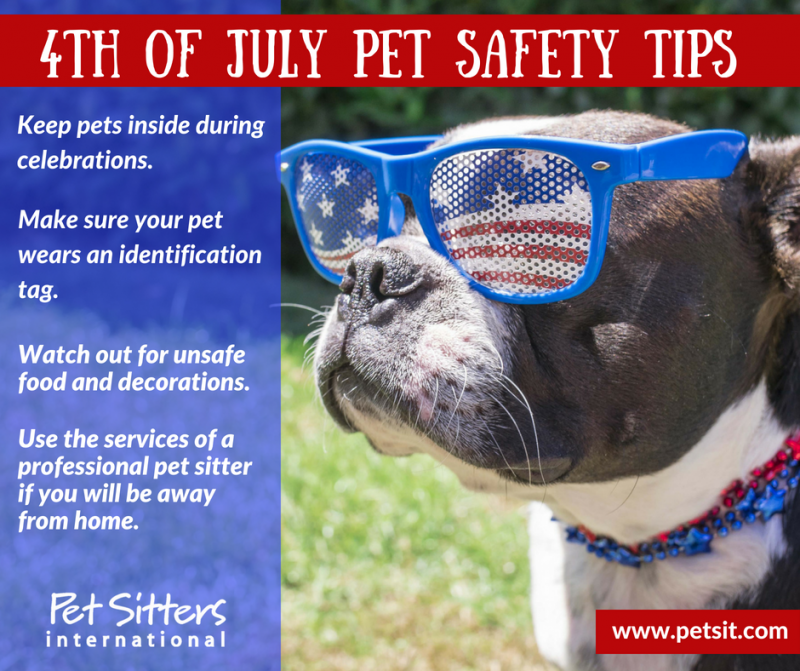
Keeping Pets Safe and Calm During Fireworks and Festivities
Fireworks and festivities may bring joy and entertainment to humans, but for pets, especially dogs and cats, they can be highly stressful. The loud noises, bright lights, and sudden activity can cause anxiety and fear in animals, leading to trembling, hiding, and escape attempts. It is important for pet owners to take necessary precautions to keep their pets safe and calm during Fourth of July celebrations and other events.
The Role of Veterinarians
Veterinarians play a crucial role in reminding clients how to keep their pets secure and comfortable amidst the holiday excitement. By providing guidance on anxiety management techniques and recommending appropriate calming products or medications, they can help ease the stress on pets.
Tips to Keep Pets Safe During Fireworks and Events
Here are some tips provided by urgent care experts from VCA Animal Hospitals on how to keep pets safe during fireworks and events:
- Keep pets indoors: Keep your pets inside the house, away from the noise and bright lights of fireworks. Create a safe and comfortable space with soft music or TV to distract and soothe them.
- Close the windows and curtains: To avoid loud noise and flashes that may cause stress to pets, keep the windows and curtains closed.
- Identification and microchipping: Make sure your pet is wearing identification tags with current contact information. Consider microchipping your pet in case they get lost or escape due to anxiety.
- Avoid outdoor activities: Avoid taking your pets to outdoor festivals, parades, or fireworks displays as these events may cause them anxiety and panic.
- Calming products and medications: Consult with your veterinarian about calming products and medications that can help ease your pet’s anxiety during fireworks and events.
Mast Cell Tumor Diagnosis and Treatment Options
A mast cell tumor is a type of cancer that can affect dogs and cats. It is often difficult for pet owners to diagnose as the symptoms may mimic other skin conditions. However, with proper testing and diagnosis, mast cell tumors can be treated.
The management of pain associated with mast cell tumors is complex, and different treatments may be required based on individual patient needs. It is important to work with your veterinarian to come up with a comprehensive and individualized treatment plan for your pet.
Using Cookies on Websites
Many websites, including VCA Animal Hospitals, use cookies to provide a better user experience. Cookies are small files that are stored on a user’s device when they access a website. By remembering their preferences and actions, cookies can help improve website functionality.
However, it is important to give users the option to control their cookie preferences. By clicking “Accept All”, users consent to the use of all the cookies. Users may also visit “Cookie Settings” to provide controlled consent and manage their cookie preferences.
Originally Post From https://www.veterinarypracticenews.com/july-fourth-pet-safety/

